
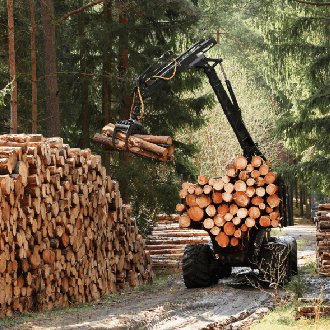
 The Canadian Forest Sector Transformation Task Force's work will focus on strengthening the sector's long-term competitiveness and sustainability.
Jan. 19, 2026 - The forest sector is a cornerstone of Canada's economy and identity. For generations, our forests have supported communities and powered local economies. In response to ongoing trade pressures and the need to diversify and ensure long-term competitiveness, the Government of Canada recently announced the launch of a Canadian Forest Sector Transformation Task Force to identify pathways to restructure, retool and transform Canada's forest sector.
On Jan. 19, members of the Task Force held their first meeting. Over the next 90 days, the Task Force will engage with industry, provinces and territories, Indigenous groups and labour organizations and will gather public comments through a web portal to be launched shortly.
The Task Force's work will focus on strengthening the sector's long-term competitiveness and sustainability, including:
At the end of the 90 days, the Task Force will deliver a report with recommendations to the Honourable Tim Hodgson, Minister of Energy and Natural Resources.
Members of the Task Force include Co-Chairs Ken Kalesnikoff, Principal and Director of Kalesnikoff Mass Timber, and Frédéric Verreault, Executive Vice-President of Chantiers Chibougamau, as well as:
The Government of Canada is supporting Canada's forest sector and the workers and communities that depend on it while advancing long-term transformation to ensure the sector remains competitive for the long-term.
The Government of Canada first announced the creation of the Canadian Forest Sector Transformation Task Force on November 26, 2025, as part of new measures to support and transform Canada's forest sector.
Canada's forest sector is a major economic driver, supporting nearly 200,000 workers, including over 11,000 Indigenous people, and contributing more than $20 billion to our GDP. New and innovative forest products, such as engineered timber, biofuels and forest product-based biodegradable packaging materials, are helping Canada reach net zero by 2050 and enabling more sustainable, efficient housing solutions.
SOURCE Natural Resources Canada